

.png)

Audiology

How MED-EL Cochlear Implant Design Supports Speech Understanding in Noise
Catching every syllable of a person talking in a crowded place is a challenging task for CI users. MED-EL supports understanding of speech in noise (SIN) through a unique, synergistic design pathway: long electrodes for apical stimulation, fine structure signal processing on low-frequency channels, anatomy-based fitting (ABF) for individualized place-pitch alignment, adaptive sound management for listening comfort and ease, and long-term rehabilitation.
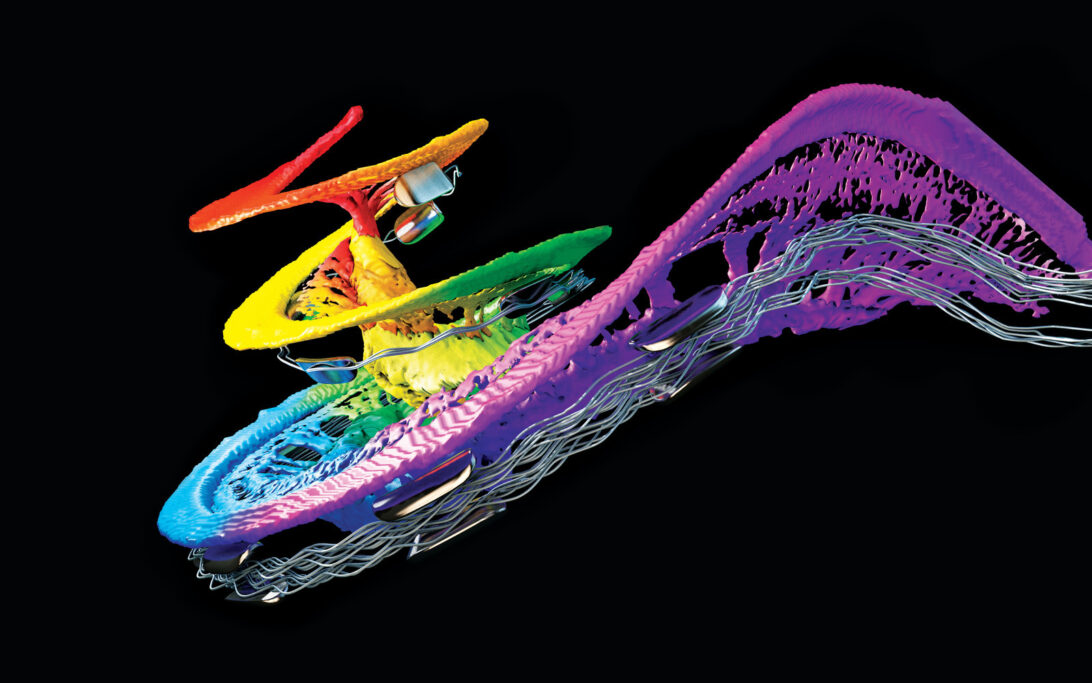
New Synchrotron Imaging Findings: Implications for Individualized Cochlear Implantation
We have now long understood the extensive variability in cochlear size, shape, and morphology, and in recent years, research into this topic has increased. The study of cochlear length dates back to the early 19th century, but recent imaging research has revealed more insights into cochlear anatomy. With the advancement of clinical imaging and software, individual assessment is now possible as part of a clinical routine.

Single-Sided Deafness in Children: Background, Effects, and Rehabilitation
For children with single-sided deafness (SSD), a lack of binaural hearing can affect speech understanding in noise, sound localization, learning, and everyday interaction. In this article, Annabelle Fischer explores the causes and consequences of SSD, compares current treatment options, and explains how cochlear implantation, when combined with targeted rehabilitation and family support, can help children unlock the benefits of hearing with both ears.
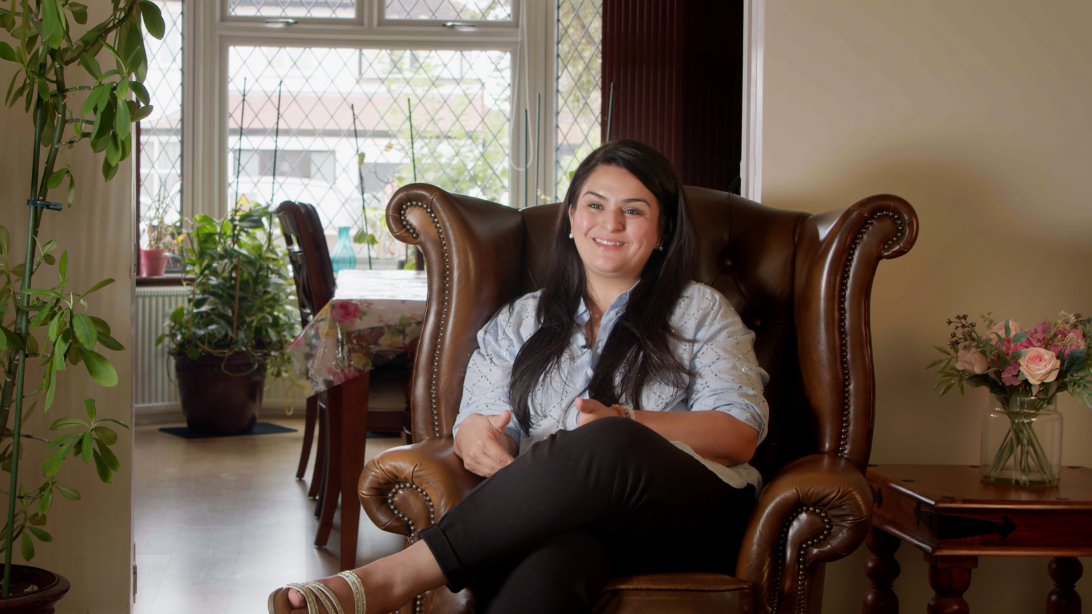
Anatomy-Based Fitting: A Love Letter From an Audiologist
Nandini is an audiologist—with hearing loss. She recently took the leap and got a cochlear implant. Now she can speak from personal experience about what hearing with a MED-EL cochlear implant is like. Read on to learn what a huge difference anatomy-based fitting can make.

“Low Frequencies Are Underappreciated” — Restoring the Missing Half of CI Hearing
Renowned ENT surgeon Prof. Paul Van de Heyning argues that low frequencies, long electrodes, and anatomy-based fitting can reshape cochlear implant care. Find the key messages of his lecture at Johns Hopkins University School of Medicine in this article—and watch the embedded recording of his presentation for full information.

What Makes HearCare MED-EL So Exciting?
Today, we’re getting unique insights into using Remote Care in routine clinical practice—we’ll learn more about providing audiological care via the MAESTRO software and the HearCare MED-EL app, which can be done anytime, anywhere. Prof. Andreas Büchner describes firsthand how this pioneering technology is used at the DHZ (German Hearing Center) in Hanover, its benefits, and its implications for patients and clinical staff.
