


.png)

Tag archive
No tags selected. Please select a tag to show articles
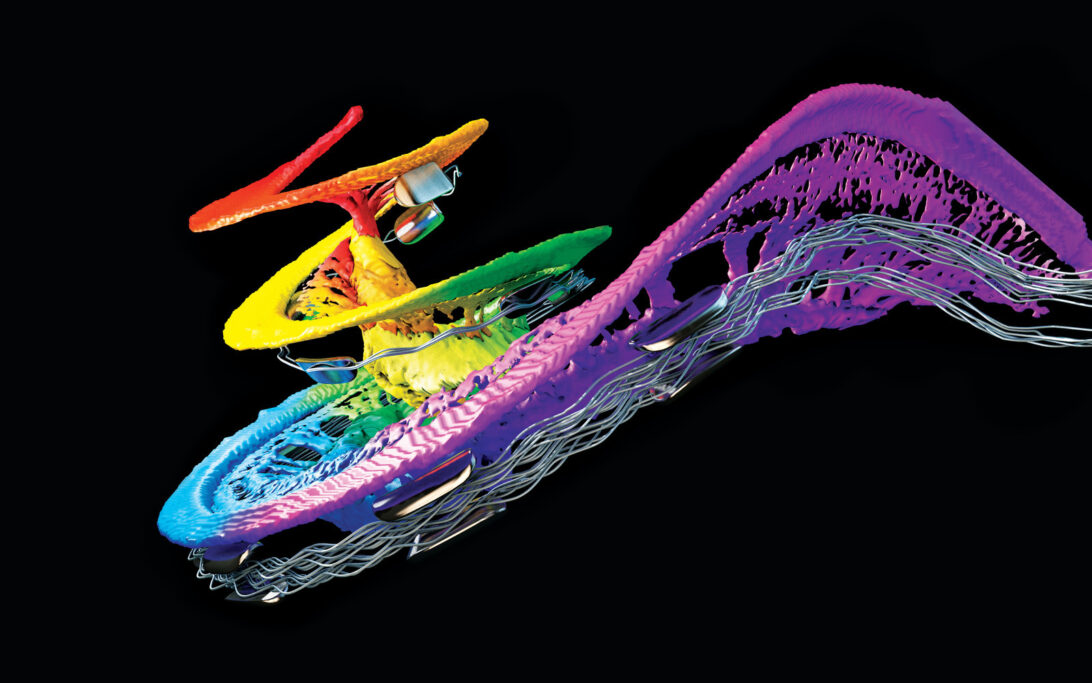
New Synchrotron Imaging Findings: Implications for Individualized Cochlear Implantation
We have now long understood the extensive variability in cochlear size, shape, and morphology, and in recent years, research into this topic has increased. The study of cochlear length dates back to the early 19th century, but recent imaging research has revealed more insights into cochlear anatomy. With the advancement of clinical imaging and software, individual assessment is now possible as part of a clinical routine.

Anatomy-Based Fitting: A Love Letter From an Audiologist
Nandini is an audiologist—with hearing loss. She recently took the leap and got a cochlear implant. Now she can speak from personal experience about what hearing with a MED-EL cochlear implant is like. Read on to learn what a huge difference anatomy-based fitting can make.

“Low Frequencies Are Underappreciated” — Restoring the Missing Half of CI Hearing
Renowned ENT surgeon Prof. Paul Van de Heyning argues that low frequencies, long electrodes, and anatomy-based fitting can reshape cochlear implant care. Find the key messages of his lecture at Johns Hopkins University School of Medicine in this article—and watch the embedded recording of his presentation for full information.
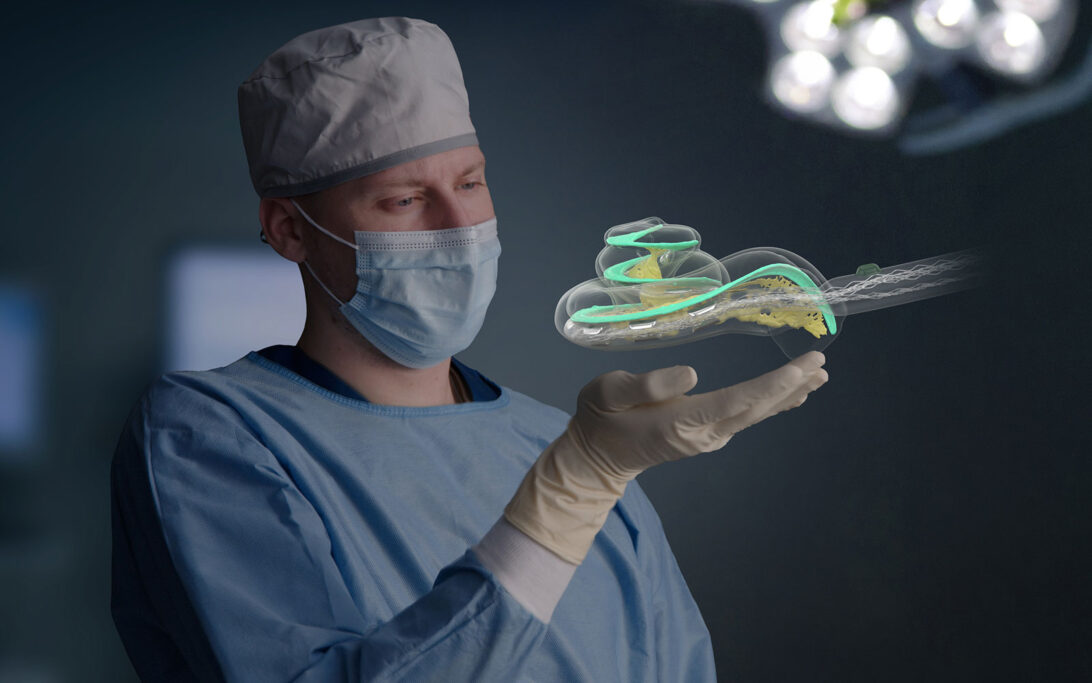
OTOGUIDE: A New Precision Surgery Tool for Individualized Cochlear Implantation
OTOGUIDE: Precision you can see. You know OTOPLAN,* OTODRIVE,** and OTOARM. And now there’s OTOGUIDE, our new intraoperative software that enables you to see electrode array insertion like never before.

5 Ways to Maximize Residual Hearing Preservation With Precision Surgery
MED-EL has focused decades of research on residual hearing preservation. While remaining hearing is often limited to specific frequency ranges, preserving residual hearing can improve hearing outcomes with a cochlear implant.

9 Reasons Why Cochlear Implant Electrodes Matter
A cochlear implant electrode serves not only as a crucial bridge between technology and nature that connects recipients to sound. The electrode array can significantly impact hearing outcomes. For instance, there is now growing consensus among researchers that stimulating more of the cochlea is associated with better speech perception and music appreciation. Here is the latest research you need to know to ensure each of your patients can benefit the most from their cochlear implant.