


.png)

Tag archive
No tags selected. Please select a tag to show articles
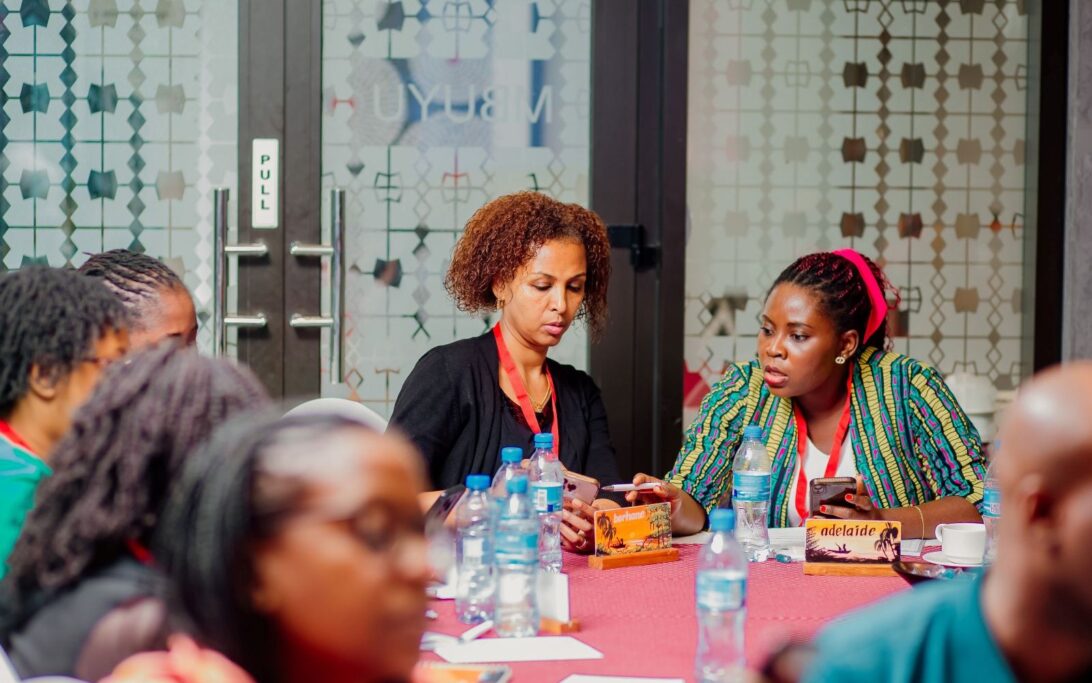
Empowering Hearing Rehabilitation in Emerging Countries: A Sustainable Approach
The Hearing Healthcare Alliance (HHA)—a strategic partnership between MED-EL and the Austrian Development Agency—worked to enhance the diagnosis and rehabilitation of individuals with hearing loss across numerous countries in the Global South.

Managing Hearing Care in Children With Microtia and Atresia
Professor Mario Zernotti, our guest author, shares insights gained from nearly four decades of experience helping children with conductive hearing loss due to microtia and congenital aural atresia, which occurs most commonly in Andes Mountains of South America.

How to Support Children Who Receive a Cochlear Implant Late
Children who receive cochlear implants late are unique. This article briefly describes hearing loss diagnosis and treatment guidelines for babies and young children, what is known about why some children are diagnosed or treated later as well as the impacts of unaddressed hearing loss. After that, we provide some rehabilitation recommendations for supporting this unique population of patients with cochlear implants.

Play Sounds: A Gateway to Listening and Language Development
Play sounds can not only be used capture young children’s listening attention. They can also be a highly effective way to help children learn to process auditory information. By integrating them into your auditory rehabilitation practice, you can help kick-start their listening and language development while having fun.

MED-EL Hearing Poster Series: Rehabilitation Content at a Glance
Hearing loss is a subject encountered daily by many people, but whether at work or in their private lives, some people may not understand how to approach people who use cochlear implants and other hearing devices. The MED-EL Hearing Poster series aims to bridge that gap in knowledge by providing simple, easily digestible bites of information that anyone can understand and incorporate into their daily lives.

Improving Speech Perception & Language Acquisition in Babies Prior to Cochlear Implantation
Aural rehabilitation is essential after cochlear implantation, but it can also benefit young children with hearing loss while they are still waiting to receive their cochlear implant. Parents and caregivers can use strategies and activities at home to help these babies begin to develop communication skills.