


.png)

Tag archive
No tags selected. Please select a tag to show articles

How MED-EL Cochlear Implant Design Supports Speech Understanding in Noise
Catching every syllable of a person talking in a crowded place is a challenging task for CI users. MED-EL supports understanding of speech in noise (SIN) through a unique, synergistic design pathway: long electrodes for apical stimulation, fine structure signal processing on low-frequency channels, anatomy-based fitting (ABF) for individualized place-pitch alignment, adaptive sound management for listening comfort and ease, and long-term rehabilitation.
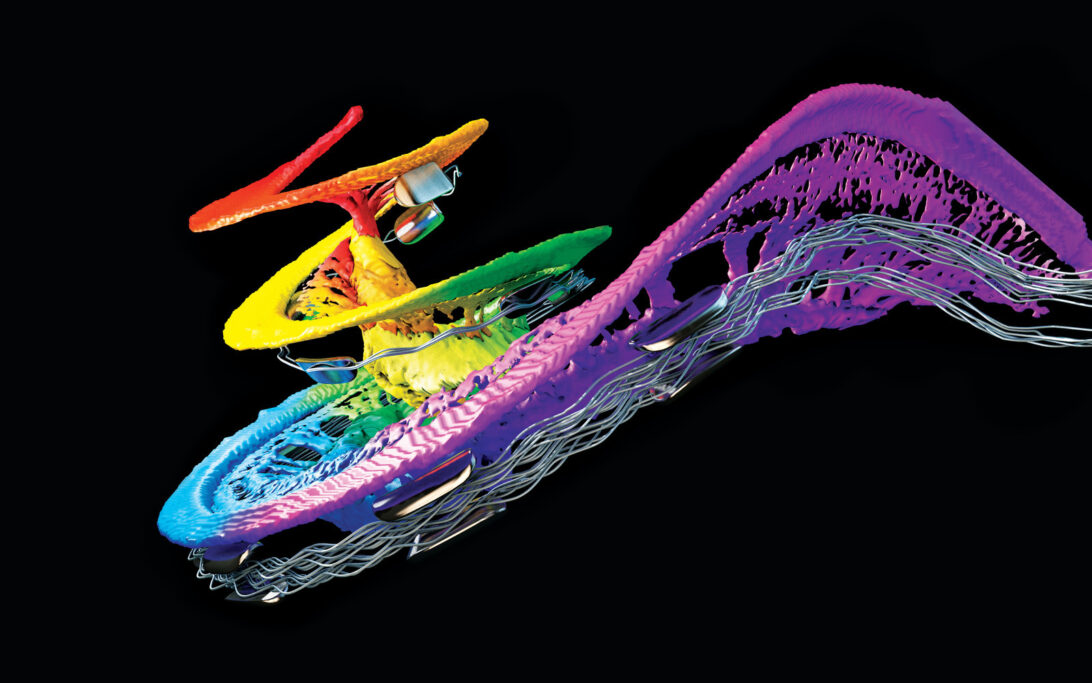
New Synchrotron Imaging Findings: Implications for Individualized Cochlear Implantation
We have now long understood the extensive variability in cochlear size, shape, and morphology, and in recent years, research into this topic has increased. The study of cochlear length dates back to the early 19th century, but recent imaging research has revealed more insights into cochlear anatomy. With the advancement of clinical imaging and software, individual assessment is now possible as part of a clinical routine.

Anatomy-Based Fitting: A Love Letter From an Audiologist
Nandini is an audiologist—with hearing loss. She recently took the leap and got a cochlear implant. Now she can speak from personal experience about what hearing with a MED-EL cochlear implant is like. Read on to learn what a huge difference anatomy-based fitting can make.

“Low Frequencies Are Underappreciated” — Restoring the Missing Half of CI Hearing
Renowned ENT surgeon Prof. Paul Van de Heyning argues that low frequencies, long electrodes, and anatomy-based fitting can reshape cochlear implant care. Find the key messages of his lecture at Johns Hopkins University School of Medicine in this article—and watch the embedded recording of his presentation for full information.

Leaders in Innovation: MED-EL Sound Coding for Closest to Natural Hearing
Stimulating the right pitch at the right rate and at the right place in the cochlea enables people with hearing loss to hear with their cochlear implants in a way that comes uniquely close to natural hearing. Simple, right? Not at all. MED-EL’s sophisticated technology that enables closest to natural hearing is anything but simple. Read on to find out what sets us apart from other CI manufacturers and why we are the worldwide leader when it comes to cochlear implant sound quality.

Experts Discuss Totally Implantable Cochlear Implant (TICI) Feasibility Study Results
Prof. Dr. Philippe Lefèbvre and Prof. Dr. Joachim Müller share their experiences leading the feasibility study on MED-EL’s Totally Implantable Cochlear Implant (TICI), breakthrough technology that integrates all cochlear implant components—audio processor, microphone, and battery—into one device under the skin.