

.png)

Surgery

How MED-EL Cochlear Implant Design Supports Speech Understanding in Noise
Catching every syllable of a person talking in a crowded place is a challenging task for CI users. MED-EL supports understanding of speech in noise (SIN) through a unique, synergistic design pathway: long electrodes for apical stimulation, fine structure signal processing on low-frequency channels, anatomy-based fitting (ABF) for individualized place-pitch alignment, adaptive sound management for listening comfort and ease, and long-term rehabilitation.
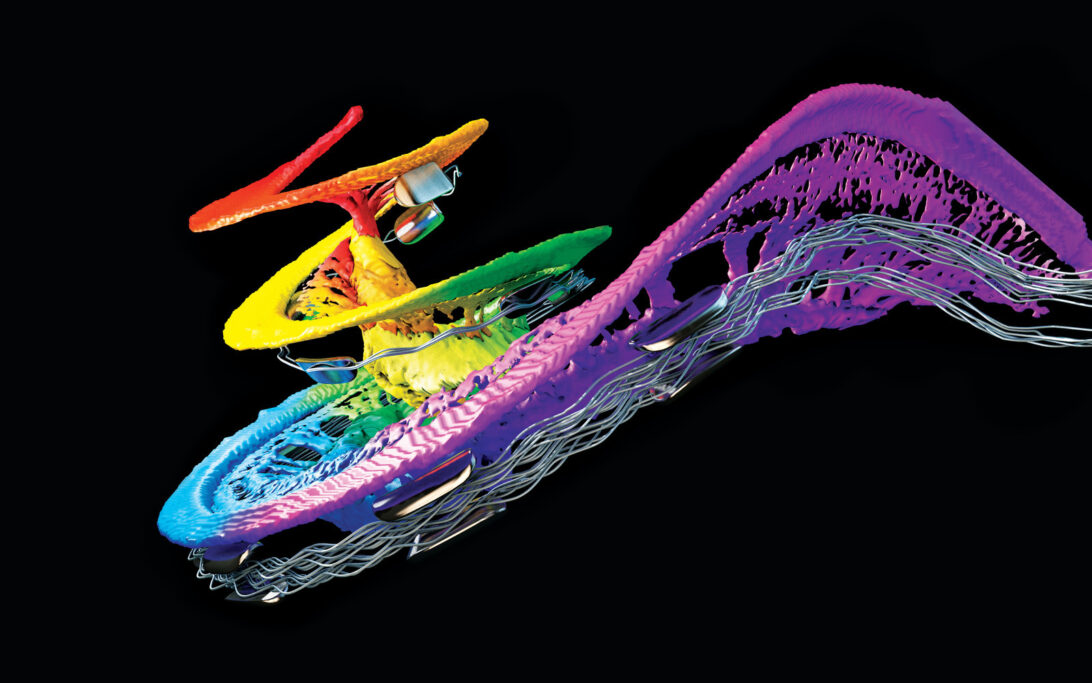
New Synchrotron Imaging Findings: Implications for Individualized Cochlear Implantation
We have now long understood the extensive variability in cochlear size, shape, and morphology, and in recent years, research into this topic has increased. The study of cochlear length dates back to the early 19th century, but recent imaging research has revealed more insights into cochlear anatomy. With the advancement of clinical imaging and software, individual assessment is now possible as part of a clinical routine.

“Low Frequencies Are Underappreciated” — Restoring the Missing Half of CI Hearing
Renowned ENT surgeon Prof. Paul Van de Heyning argues that low frequencies, long electrodes, and anatomy-based fitting can reshape cochlear implant care. Find the key messages of his lecture at Johns Hopkins University School of Medicine in this article—and watch the embedded recording of his presentation for full information.
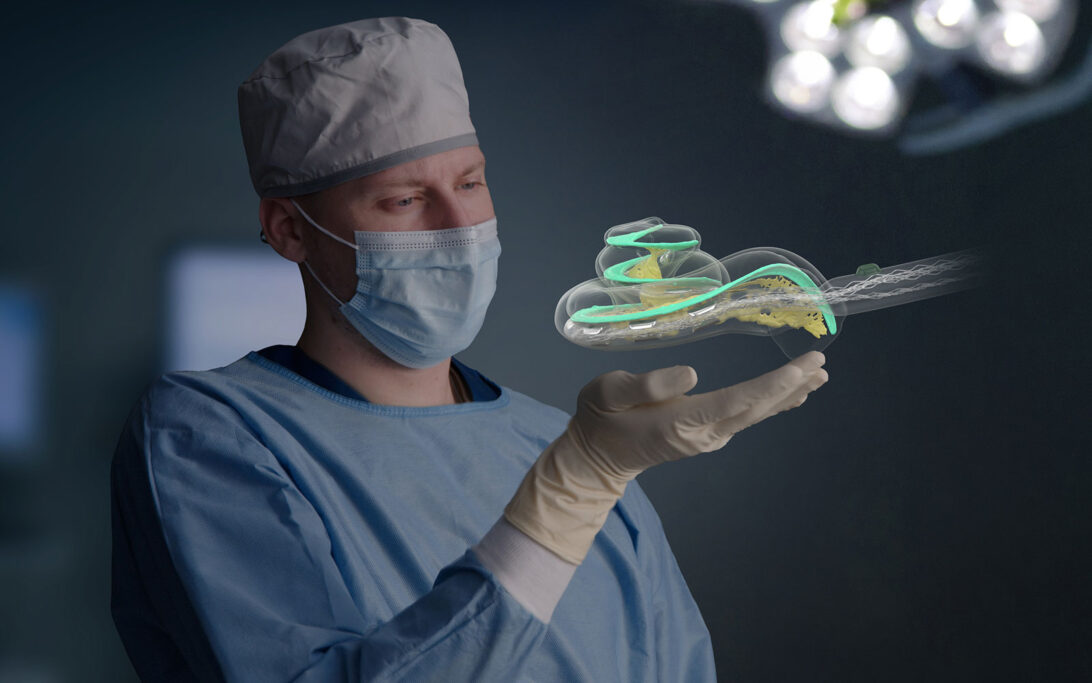
OTOGUIDE: A New Precision Surgery Tool for Individualized Cochlear Implantation
OTOGUIDE: Precision you can see. You know OTOPLAN,* OTODRIVE,** and OTOARM. And now there’s OTOGUIDE, our new intraoperative software that enables you to see electrode array insertion like never before.

Introducing: The Quality of Life in People With Hearing Loss Questionnaire
Clinicians and researchers can use the new “Quality of Life in People with Hearing Loss Questionnaire (HL-QoL)” to assess how hearing loss and treatment affect an individual’s quality of life. As the first validated questionnaire based on the WHO’s international classification of functioning, disability, and health, it is designed to assess hearing outcomes while providing a holistic perspective.

Early Activation in Cochlear Implantation
The early activation of cochlear implant audio processors is an option that growing numbers of hearing implant clinics now offer. This article summarizes recent publications on early activation in cochlear implantation and its reported impact on patient care, safety, impedance values, fitting parameters, audiological outcomes, complications, and more.
