

Sandra Eisner, MSc
Published May 26, 2026
Empowering Hearing Rehabilitation in Emerging Countries: A Sustainable Approach
The Hearing Healthcare Alliance (HHA)—a strategic partnership between MED-EL and the Austrian Development Agency—worked to enhance the diagnosis and rehabilitation of individuals with hearing loss across numerous countries in the Global South.
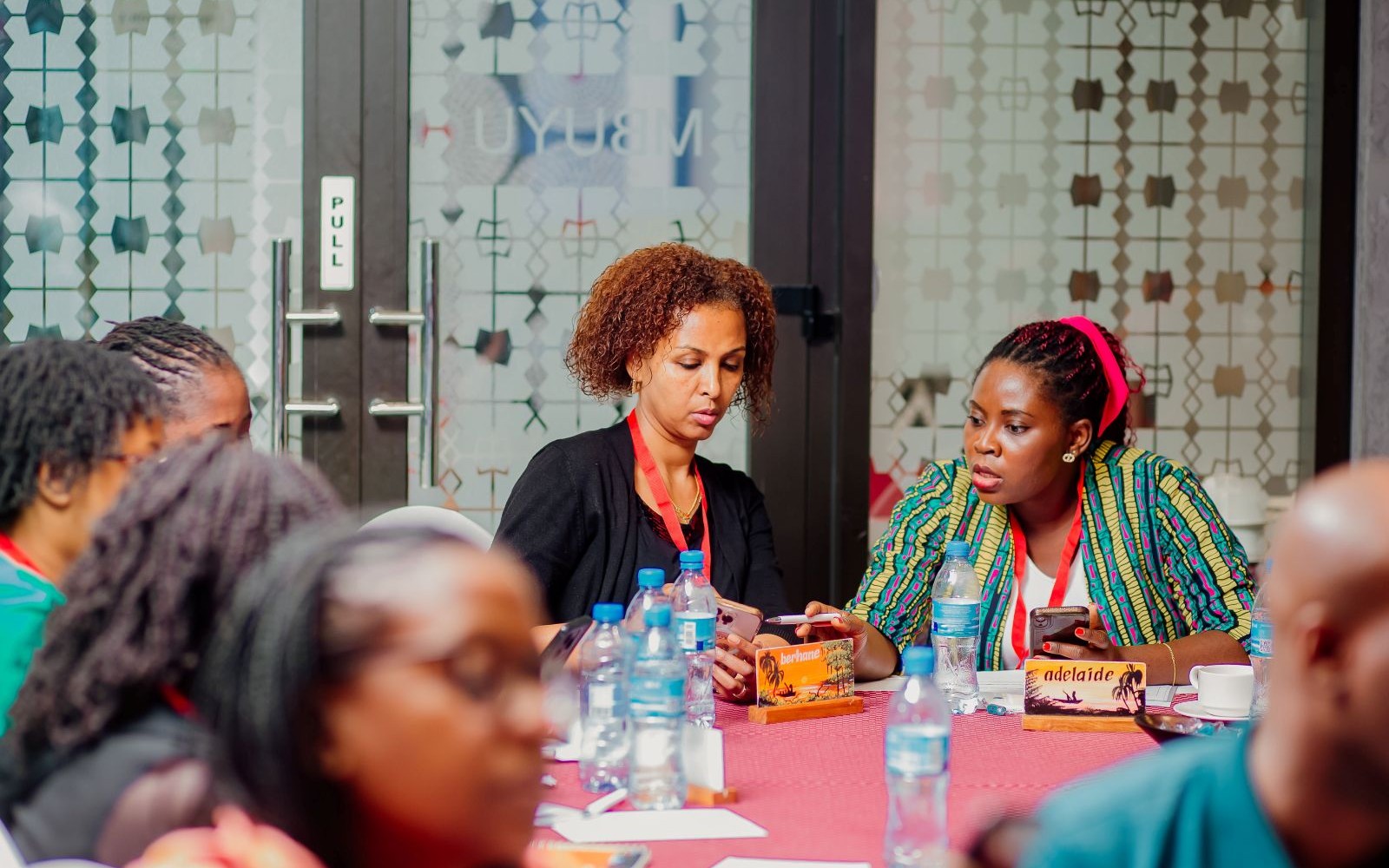
After translation and adaptation of materials into Swahili and input from speech and language therapists, the Family Curriculum Workshop (shown above) took place in Tanzania in July 2024. This paved the way for the HearWell Audiology Clinic to implement the program locally for parents of children with cochlear implants and hearing aids.
The World Health Organization has made ear and hearing care a global public health priority, emphasizing the need for a public health approach to hearing healthcare. Yet, in many resource-limited countries, delivering high-quality rehabilitation services remains a significant challenge.
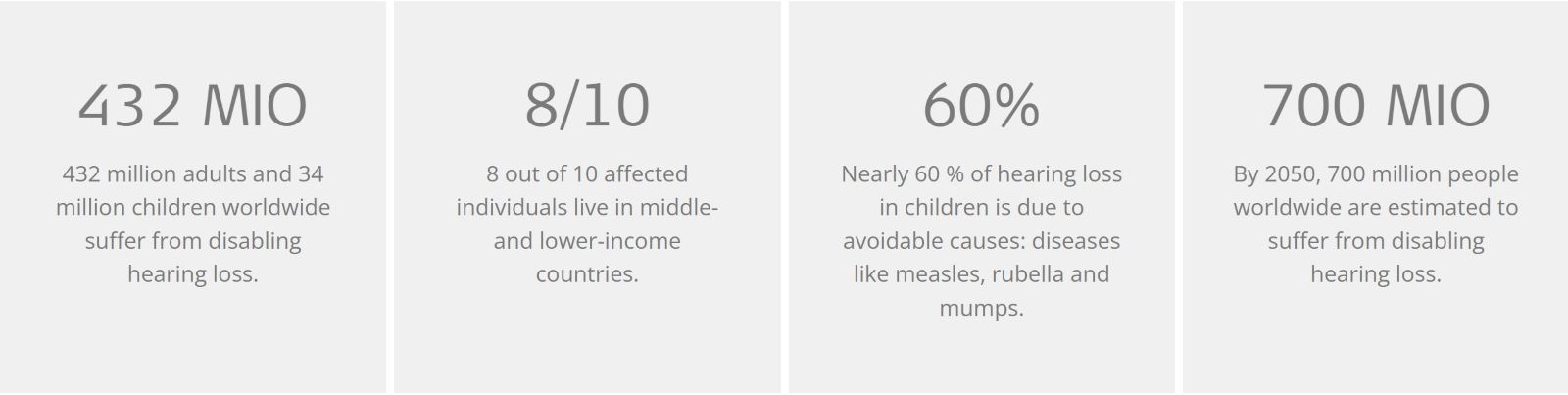
Barriers such as limited access to hearing technology, poor infrastructure, and low societal and governmental awareness hinder progress. Most critically, there is a severe shortage and uneven distribution of hearing care specialists and rehabilitation therapists.
“87% of low-income countries and 66% of lower-middle-income countries have fewer than 1 speech and language therapist per 1 million people.”
The World Report on Hearing
The World Health Organization
This alarming statistic underscores the urgent need for sustainable solutions to build local capacity and improve access to hearing rehabilitation services.[2]
About the Hearing Healthcare Alliance
The Hearing Healthcare Alliance (HHA)—a strategic partnership between MED-EL and the Austrian Development Agency—addressed this challenge head-on through a multidimensional approach targeting four core pillars:
- Capacity & infrastructure development
- Hearing screening & early diagnosis
- Training & knowledge transfer
- Awareness & communication
The initiative, active from February 2022 to January 2026, worked to enhance the diagnosis and rehabilitation of individuals with hearing loss across numerous countries in the Global South, focusing on long-term collaboration with local professionals through a train-the-trainer model to build capacity and ensure sustainability.
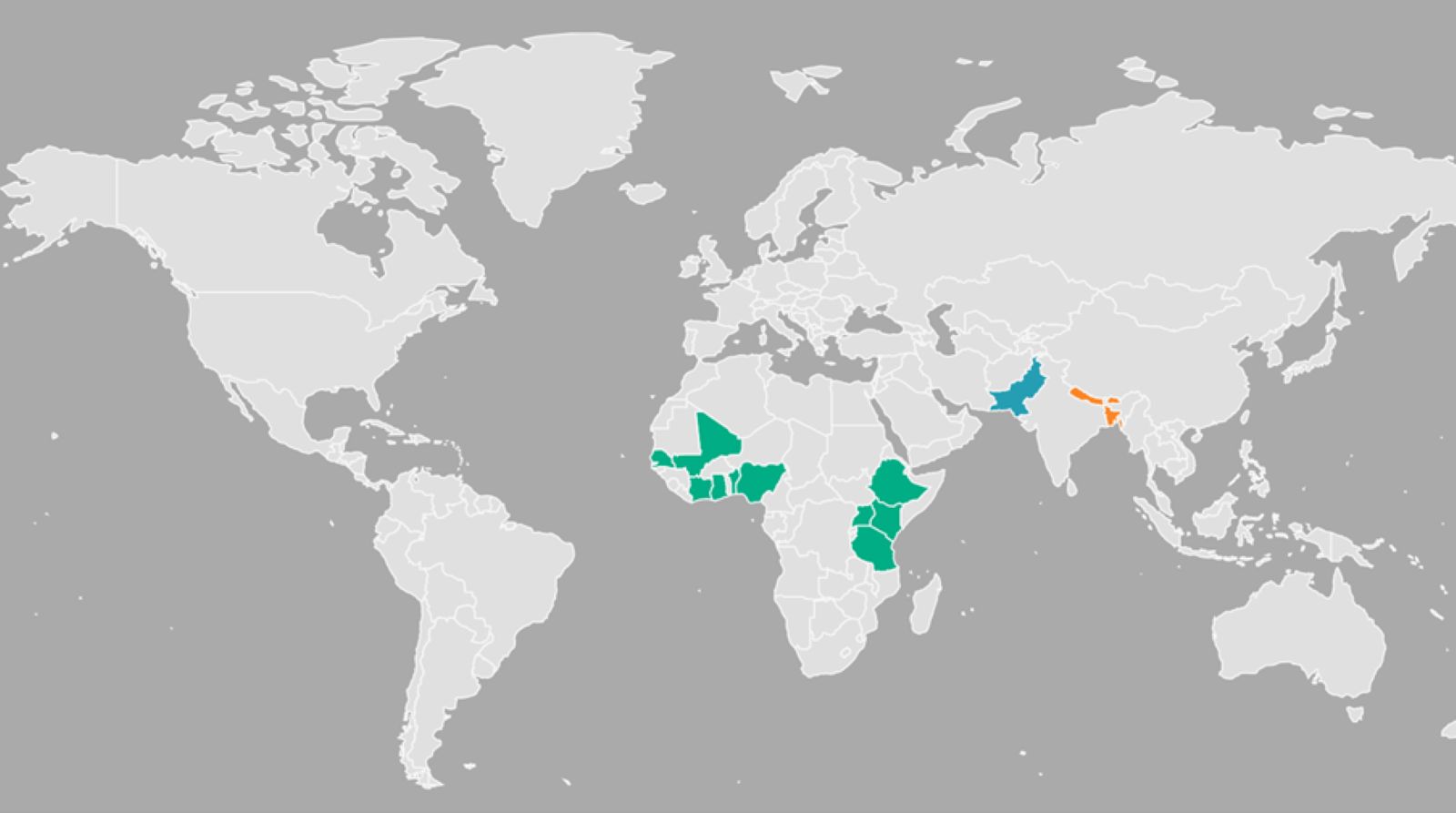
The Hearing Healthcare Alliance’s rehabilitation activities shined a light on the needs of nearly 450 million people worldwide living with disabling hearing loss.[2] More importantly, they celebrated the skills and dedication of local professionals who are shaping the future of hearing rehabilitation in their regions. By investing in people, not just technology, the HHA has built a foundation for lasting change, one that empowers communities to take ownership of their respective hearing healthcare sector.
The rehabilitation activities within the Hearing Health Alliance were driven by three core goals:
- Capacity Building: Equipping local rehabilitation specialists with the knowledge and skills needed to deliver high-quality hearing care.
- Sustainability: Fostering long-term impact by enabling professionals to train others and adapt resources to local contexts.
- Empowerment: Highlighting and supporting the expertise of local professionals, encouraging them to lead change in their communities.
All rehabilitation activities within the HHA were based on individual needs assessments to tailor support to local contexts. The HHA collaborated with 90 rehabilitation specialists from 11 countries in sub-Saharan Africa and South Asia. All participants took part in a comprehensive training program, receiving over 1000 hours of direct clinical support from MED-EL specialists between February 2022 and January 2026.
Hearing Healthcare Alliance Family Workshops
Throughout the program, the focus shifted from initial professional training to follow-up projects that promoted sustainability. Professionals adapted family workshops to their regional languages and cultural contexts, ensuring that hearing rehabilitation is accessible and relevant to local communities. They are now conducting these MED-EL family workshops in their own communities. Since 2024, they have reached more than 600 caregivers of children with hearing loss using hearing technology.
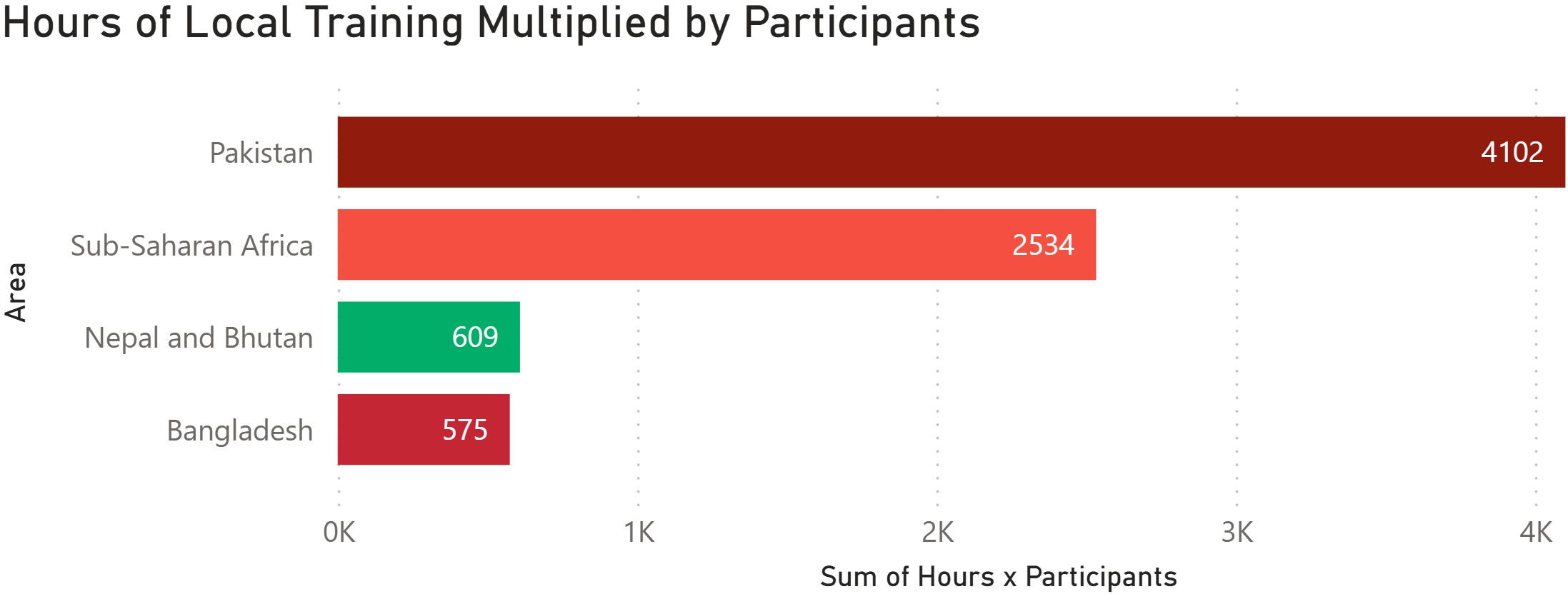
Lessons Learned From the Hearing Healthcare Alliance
Families need to understand why their involvement matters.
Parents and caregivers are the primary communication partners. They need to understand early how hearing loss affects development and how they can actively support their children. While pre-implant counseling is critical, we also identified the importance of ongoing expectations counseling throughout the rehabilitation journey.
The Expectations Questionnaire for Caregivers of Young Children Receiving Cochlear Implants
Designed for use by professionals working with families with young children prior to cochlear implantation, caregivers are encouraged to complete the questionnaire in the presence of the professional to facilitate discussion and consolidate understanding of the factors that affect a child’s outcomes following cochlear implantation.
Download the Expectations Questionnaire for CaregiversBuild family confidence, not dependency.
Strengthening families’ self-efficacy through rehabilitation support is key to achieving optimal outcomes.[1] Empowered families are more likely to engage consistently and effectively in their child’s development.
When Should Pediatric Cochlear Implant Rehabilitation Begin?
Many families wait a long time for their baby’s cochlear implant surgery and for their child to gain optimal access to sound. While some professionals and caregivers think pediatric cochlear implant rehabilitation can only begin after implantation, this notion is incorrect.
Meet families where they are—culturally, linguistically, and emotionally.
In many regions, stigma, traditional beliefs, or misconceptions about hearing loss affect engagement. Understanding these realities helps us to frame information respectfully and effectively. MED-EL shares free resources for families in many languages and provides professional training globally to strengthen local capabilities.
Empower “whole-family” participation.
In multigenerational households, grandparents, siblings, and caregivers can all play a role in a child’s communication development. Engaging and coaching the whole family can increase consistency and reduce burden. It also capitalizes on the family support that is available to provide a rich language environment for the child.
Encourage peer-to-peer support.
Families trust families. We created opportunities for families to meet through Family Workshops, which we found reduced isolation and increased follow-through.
It takes a village to raise a child. Teamwork is important.
Children thrive when families, professionals, schools, and communities all contribute. No single professional can meet all needs, but a supported family can drive development.
Improve access to post-implant rehabilitation.
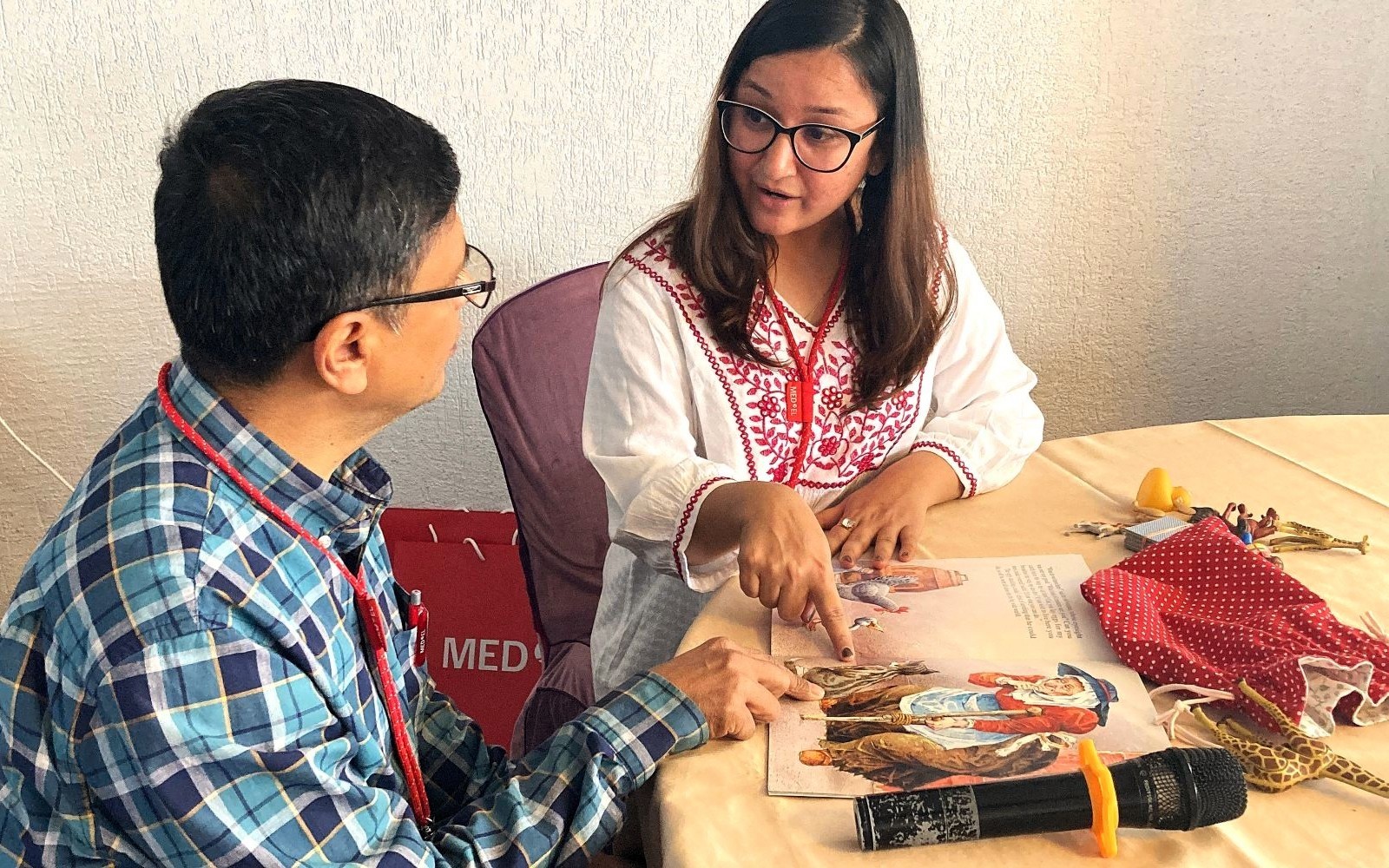
Local rehabilitation specialists are shown taking part in the Family Curriculum Workshop in Nepal in May 2024.
Across many regions of the world, families continue to face barriers in accessing hearing rehabilitation services. This lack of accessibility directly affects outcomes for children with hearing loss, as consistent, high‑quality rehabilitation following cochlear implantation is essential for successful device uptake and long‑term communication development. To address this, it is crucial not only to provide training to local professionals but also to actively reach out to families, educate them, and ensure they understand why rehabilitation matters.
Families can be reached in various ways, such as through community‑based awareness events, partnerships with local schools and health centers, mobile or telehealth sessions, and culturally adapted family workshops delivered in local languages with local professionals.
References
-
[1]
Lin, K., Zhang, Y., Chi, W., Li, X., Ma, X., Su, D., Du, Y., Ma, J. and Zhang, T., (2025). Factors affecting the quality of postoperative rehabilitation in children with cochlear implants based on the theory of knowledge, attitude and practice. BMJ Open, 15(1), e084278. https://doi.org/10.1136/ bmjopen-2024-084278
-
[2]
World Health Organization (2021). World Report on Hearing. Retrieved March 26, 2026, from https://www.who.int/publications/i/item/9789240020481
References
Sandra Eisner, MSc
Sandra Eisner is a Speech-Language Pathologist from Austria. She has international working experience in various settings supporting individuals who use hearing devices, including hearing aids and cochlear implants. Sandra has shared her expertise by training professionals globally, played an important role in establishing the speech & hearing department at a hearing clinic in Nepal alongside a dedicated local team, and conducted awareness campaigns in remote regions of Nepal regarding ear disease and hearing loss. Currently, Sandra holds the position of Advanced Rehabilitation Manager at MED-EL Headquarters in Austria. In this role, she not only provides training worldwide but also oversees and manages rehabilitation programs in various countries that took part in the Hearing Healthcare Alliance.



Was this article helpful?
Thanks for your feedback.
Sign up for newsletter below for more.
Thanks for your feedback.
Please leave your message below.
CTA Form Success Message
Send us a message
Field is required
John Doe
Field is required
name@mail.com
Field is required
What do you think?
The content on this website is for general informational purposes only and should not be taken as medical advice. Please contact your doctor or hearing specialist to learn what type of hearing solution is suitable for your specific needs. Not all products, features, or indications shown are approved in all countries.
Sandra Eisner, MSc
Sandra Eisner is a Speech-Language Pathologist from Austria. She has international working experience in various settings supporting individuals who use hearing devices, including hearing aids and cochlear implants. Sandra has shared her expertise by training professionals globally, played an important role in establishing the speech & hearing department at a hearing clinic in Nepal alongside a dedicated local team, and conducted awareness campaigns in remote regions of Nepal regarding ear disease and hearing loss. Currently, Sandra holds the position of Advanced Rehabilitation Manager at MED-EL Headquarters in Austria. In this role, she not only provides training worldwide but also oversees and manages rehabilitation programs in various countries that took part in the Hearing Healthcare Alliance.
Conversation
1 Comment