


.png)

Tag archive
No tags selected. Please select a tag to show articles
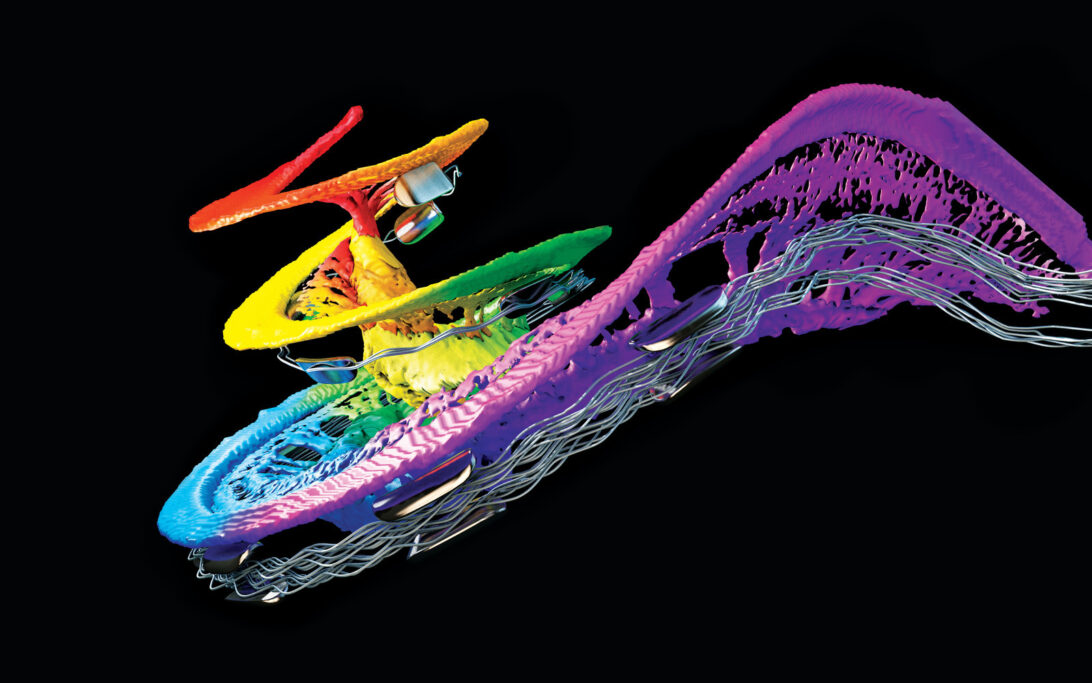
New Synchrotron Imaging Findings: Implications for Individualized Cochlear Implantation
We have now long understood the extensive variability in cochlear size, shape, and morphology, and in recent years, research into this topic has increased. The study of cochlear length dates back to the early 19th century, but recent imaging research has revealed more insights into cochlear anatomy. With the advancement of clinical imaging and software, individual assessment is now possible as part of a clinical routine.

Early Activation in Cochlear Implantation
The early activation of cochlear implant audio processors is an option that growing numbers of hearing implant clinics now offer. This article summarizes recent publications on early activation in cochlear implantation and its reported impact on patient care, safety, impedance values, fitting parameters, audiological outcomes, complications, and more.

Experts Discuss Totally Implantable Cochlear Implant (TICI) Feasibility Study Results
Prof. Dr. Philippe Lefèbvre and Prof. Dr. Joachim Müller share their experiences leading the feasibility study on MED-EL’s Totally Implantable Cochlear Implant (TICI), breakthrough technology that integrates all cochlear implant components—audio processor, microphone, and battery—into one device under the skin.

5 Ways to Maximize Residual Hearing Preservation With Precision Surgery
MED-EL has focused decades of research on residual hearing preservation. While remaining hearing is often limited to specific frequency ranges, preserving residual hearing can improve hearing outcomes with a cochlear implant.

VIBRANT SOUNDBRIDGE & Stapes-SH-Coupler: Surgical Video With Prof. Farid Alzhrani
Today we are looking at an exciting case study from MED-EL’s comprehensive surgical video library. An 11-year-old with unilateral conductive hearing loss receives a VIBRANT SOUNDBRIDGE with a Stapes-SH-Coupler.

Managing Hearing Care in Children With Microtia and Atresia
Professor Mario Zernotti, our guest author, shares insights gained from nearly four decades of experience helping children with conductive hearing loss due to microtia and congenital aural atresia, which occurs most commonly in Andes Mountains of South America.