
.png)

Tag archive
No tags selected. Please select a tag to show articles
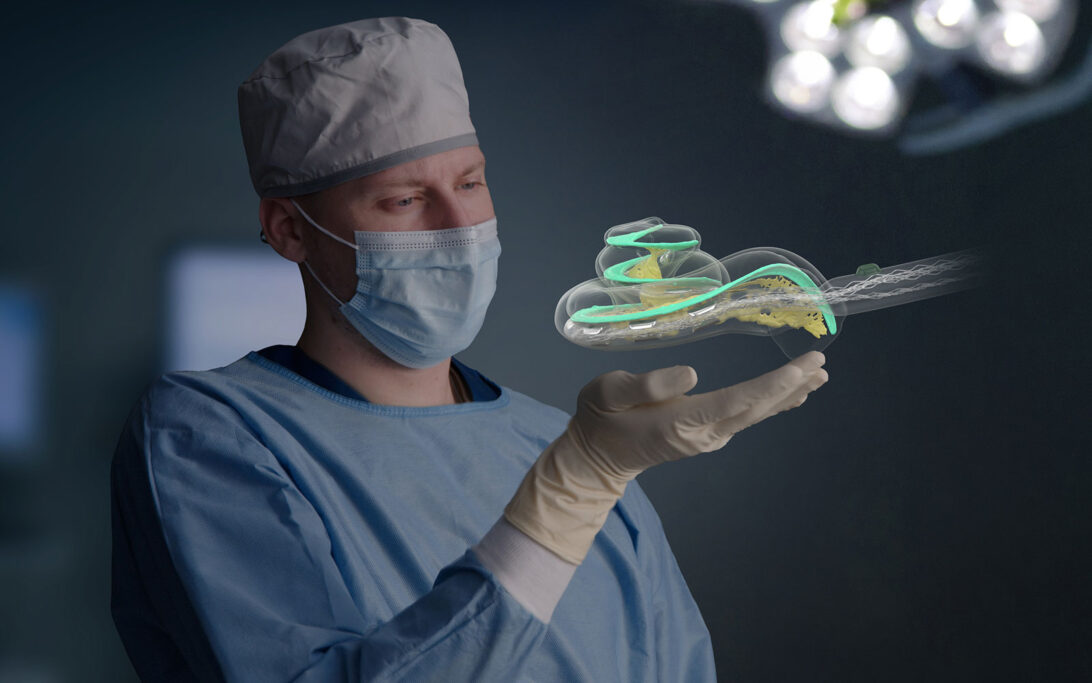
OTOGUIDE: A New Precision Surgery Tool for Individualized Cochlear Implantation
OTOGUIDE: Precision you can see. You know OTOPLAN,* OTODRIVE,** and OTOARM. And now there’s OTOGUIDE, our new intraoperative software that enables you to see electrode array insertion like never before.

Cochlear Implantation in Meniere’s Disease: Clinical Insights on Timing and Perioperative Management
While the cause of Meniere’s disease (MD) remains an enigma, a review of recent literature provides some valuable findings to keep in mind when considering cochlear implant candidacy and care for patients with Meniere’s disease.

Single-Sided Deafness (SSD): Cochlear Implantation Outcomes in Adults
Cochlear implantation has been shown to improve not only the hearing of thousands of patients with unilateral deafness, but growing evidence now shows that many SSD (single-sided deafness) CI users also benefit from improved tinnitus control, sound localization, and quality of life. This article summarizes key findings from recent publications, including systematic literature reviews, meta-analyses, and clinical considerations—that, for the first time, were able to draw on data from a large number of adult SSD-CI patients.

How to Support Children Who Receive a Cochlear Implant Late
Children who receive cochlear implants late are unique. This article briefly describes hearing loss diagnosis and treatment guidelines for babies and young children, what is known about why some children are diagnosed or treated later as well as the impacts of unaddressed hearing loss. After that, we provide some rehabilitation recommendations for supporting this unique population of patients with cochlear implants.

Aural Rehabilitation via Telepractice: Current Practices and Future Outlook
Telepractice has become an increasingly important part of aural rehabilitation, driven by growing demand and clinician experience. This article explores key trends, barriers, and lessons learned, and what they mean for the future of aural rehabilitation.

Surgical Experience With FLEXSOFT Cochlear Implant Electrode Arrays: Dr. Sachin Gupta