


Tag archive
No tags selected. Please select a tag to show articles

Introducing: The Quality of Life in People With Hearing Loss Questionnaire
Clinicians and researchers can use the new “Quality of Life in People with Hearing Loss Questionnaire (HL-QoL)” to assess how hearing loss and treatment affect an individual’s quality of life. As the first validated questionnaire based on the WHO’s international classification of functioning, disability, and health, it is designed to assess hearing outcomes while providing a holistic perspective.

Factors Affecting Communication Outcomes in Pediatric Cochlear Implantation
What factors affect communication outcomes in pediatric cochlear implantation? Research has revealed that age at implantation, family environment, additional disabilities, communication mode, and technological and surgical factors can all influence outcomes.
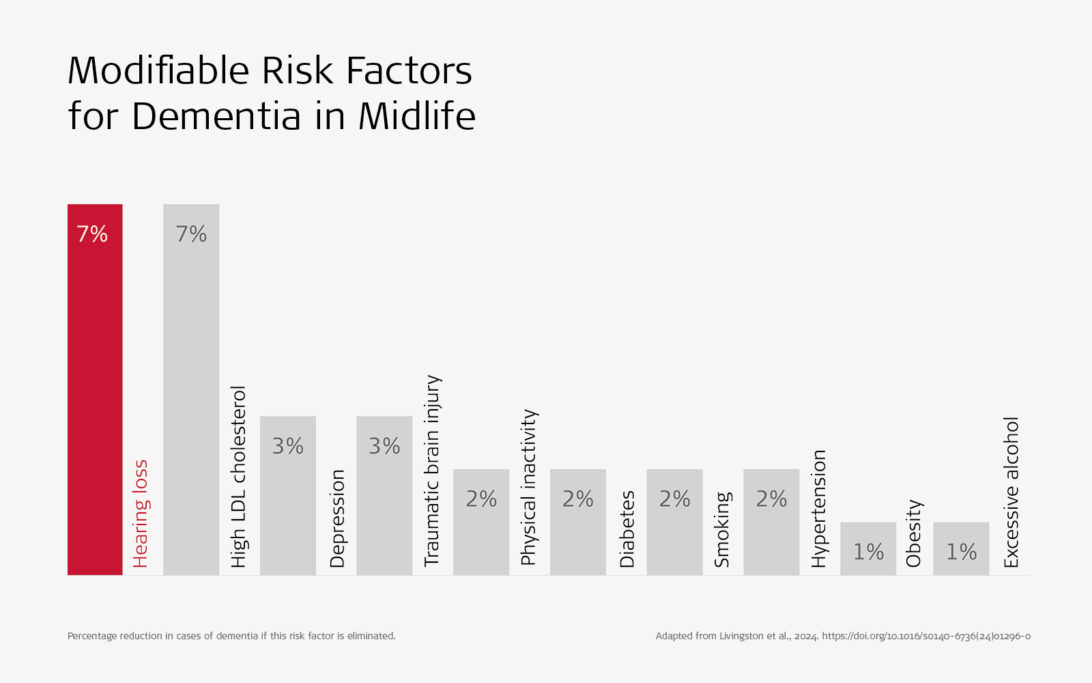
Hearing Loss is the Number One Modifiable Risk Factor for Dementia
Hearing loss is increasingly recognized as the leading modifiable risk factor for dementia, yet many people remain unaware of the profound connection between hearing health and cognitive decline. This article explores the emerging evidence behind that link, revealing how untreated hearing loss may affect the aging brain—and why timely intervention could play a crucial role in preserving both communication and cognitive function.