English - United States
English - United States
 English - United States
Popular Topics:
Popular Topics:

Published Jun 04, 2026
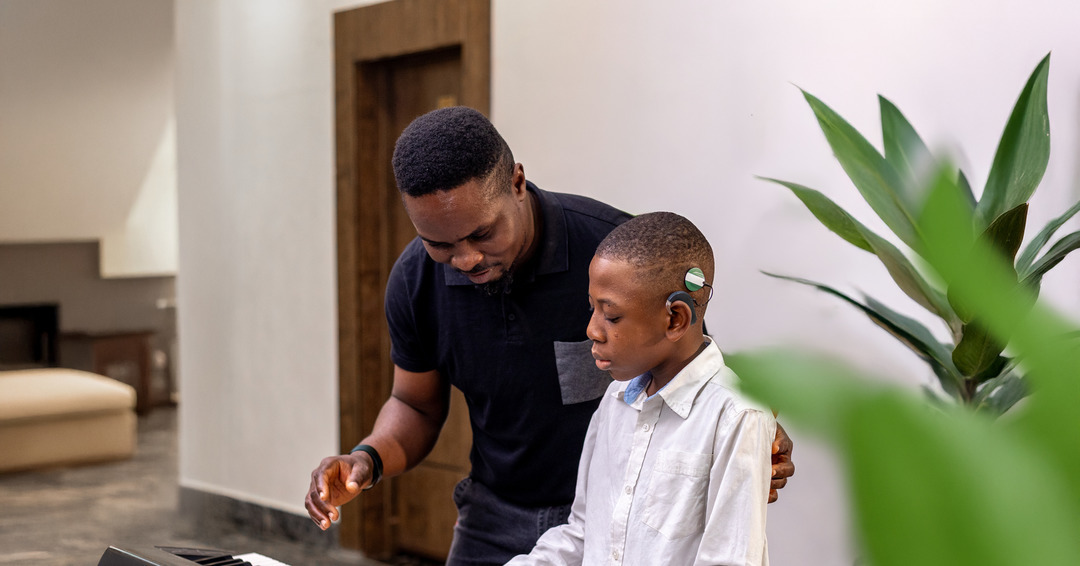
“We tell the patient, first of all, that he will hear again, that he will be able to understand people, and that the sensation that he will get is not a weird sensation, something he could not imagine. I say, well, think just how you were hearing before. Just remember how it was, and probably we will be able to regain that same sensation.”
Prof. Paul Van de Heyning
In this episode of the Closest to Natural Hearing podcast, Dr. Ilona Anderson, MED-EL’s Corporate Director of Clinical Research was joined by Professor Paul Van de Heyning to discuss his research into full cochlear stimulation. Through Dr. Van de Heyning’s decades of research into how cochleae function, he has discovered that stimulating the whole cochlea, specifically the apical region at the interior, is crucial for giving patients a full sound experience. He explains, “the region of the cochlea that decodes for low frequencies under 400 hertz, this is at a depth in the cochlea of one and a half turn. You have to go beyond one and a half turn” into the cochlea in order to access the lower frequencies that give sound its “timbre,” or its emotionality, context, and depth.
These lower frequencies in the inner most section of the cochlea, Van de Heyning elaborates, “make the difference between male and female voices, that you recognize a voice, that you can better understand in noisy environments, that you can recognize a singing voice with background noises.” Furthermore, based on his research, “it has well been shown that if you cut all the frequencies under 200 hertz or 400 hertz, then you cannot really enjoy music anymore.”
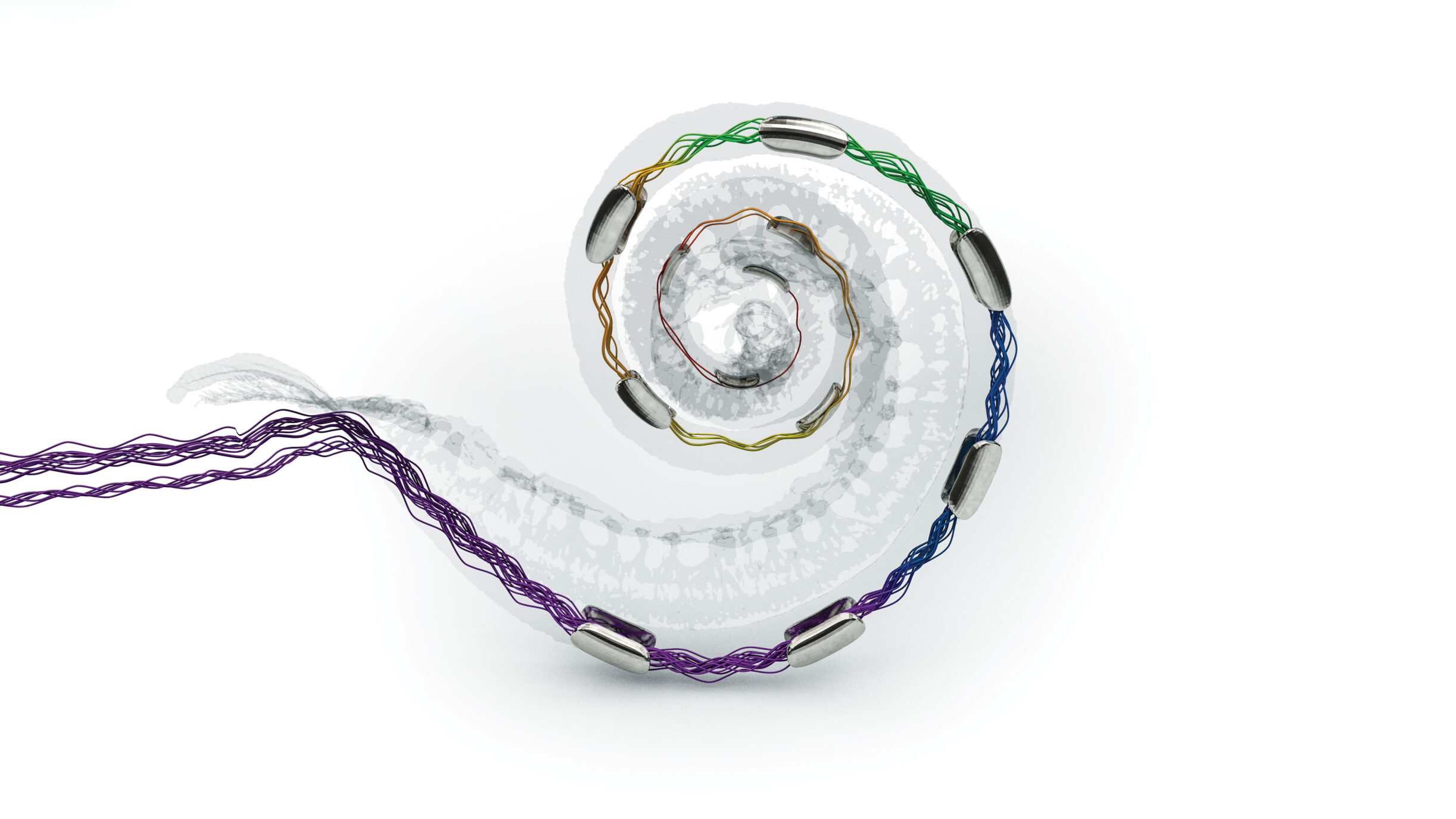
But, to truly access this richness of sound, you not only have to reach and stimulate the apex of the cochlea, but the way this section is stimulated must change. Dr. Van de Heyning explains it as such, “In the basal turn, your normal hearing functions envelope type, place-based—each place corresponds to a certain frequency. But in the apical part, things are different. There, the place within this apex is not so important anymore. It is the pulse rate that you apply.” Essentially, higher frequency sounds need place-based stimulation and lower frequencies need rate-based stimulation. The combination of these different methods, combined with reaching into the apical structure of the cochlea, is what delivers the closest to natural hearing. At MED-EL, we call this fine structure processing, and it’s one of the cores of our closest to natural hearing philosophy.
Curious to learn more about the importance of full cochlear stimulation and what this could mean for your patients? Listen to the full podcast here or reach out to your MED-EL rep!
References
Was this article helpful?
Thanks for your feedback.
Sign up for newsletter below for more.
Thanks for your feedback.
Please leave your message below.
Thanks for your message. We will reply as soon as possible.
Send Us a Message
Field is required
John Doe
Field is required
name@mail.com
Field is required
What do you think?
© MED-EL Medical Electronics. All rights reserved. The content on this website is for general informational purposes only and should not be taken as medical advice. Contact your doctor or hearing specialist to learn what type of hearing solution suits your specific needs. Not all products, features, or indications are approved in all countries.
We’re the world’s leading hearing implant company, on a mission to help people with hearing loss experience the joy of sound.
Find your local MED-EL team
© MED-EL Medical Electronics. All rights reserved. The content on this website is for general informational purposes only and should not be taken as medical advice. Contact your doctor or hearing specialist to learn what type of hearing solution suits your specific needs. Not all products, features, or indications are approved in all countries.